Burgundy's Grand Cru, Premier Cru and Village Wines Explained
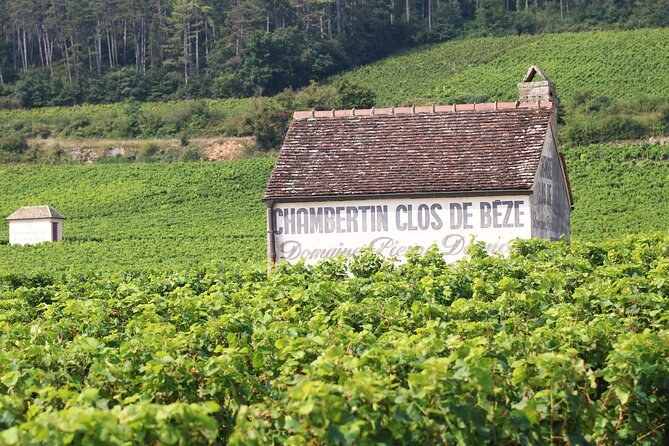
The short answer. Burgundy ranks places, not producers. Its 84 appellations sit on four levels: 7 Régionale, 44 Village, the Premier Cru climats inside the Village appellations, and 33 Grands Crus. The higher you go, the smaller the place named on the label, until a Grand Cru needs no village name at all. Most tasting days pour from Village upwards, and a few put a Grand Cru in your glass.
The four levels side by side
The figures and the examples come from the BIVB, the wine board that speaks for the region's producers. Read down the table and watch the name on the label shrink from a region to a single plot.
| Level | How many | What the label names | Examples |
|---|---|---|---|
| Régionale | 7 appellations | The region, a grape or a style | Bourgogne Aligoté, Crémant de Bourgogne, Coteaux Bourguignons |
| Village | 44 appellations | The commune the grapes grew in | Mercurey, Pommard, Nuits-Saint-Georges |
| Premier Cru | Climats within the Village appellations | The commune, then the climat | Chablis Premier Cru Montée de Tonnerre |
| Grand Cru | 33 appellations | The climat alone | Corton, Montrachet, Romanée Saint-Vivant, Clos de Tart |
Why Burgundy names the place, not the maker
A climat is a vineyard plot with its own soil, slope and exposure, marked out on the ground. UNESCO listed 1,247 of them on the Côte de Nuits and the Côte de Beaune in 2015. The monks, first the Benedictines and then the Cistercians, and the Valois Dukes of Burgundy tied each wine to its plot from the High Middle Ages, and the appellation decrees of 1936 still regulate the system.
The wines are mostly made from a single grape, as the BIVB puts it, and UNESCO names two: Pinot Noir and Chardonnay. So when you taste two glasses side by side on the Côte, the grape is usually the same and the plot is what changes. That is why you will see the place written large on a label, and the grape often not at all. The Burgundy vineyards page maps the villages where each level grows.
Régionale: the whole region on one label
The seven Régionale appellations can come from across the region. The BIVB lists Bourgogne Aligoté, made from Burgundy's other old white grape; Coteaux Bourguignons, where Gamay can go into the blend; and Crémant de Bourgogne, the sparkling wine, about 8% of what the region makes. The Bourgogne appellation also allows 13 extra place names, and Mâcon allows 27 village names after its own.
On a tasting day, these are often your first glasses. The cellar tasting in Dijon, for one, pours six wines from the regional appellations up to a Grand Cru, so you taste the whole ladder in 90 minutes.
Village: the name of the commune
The 44 Village appellations take their names from the commune where the grapes grew. The BIVB's own examples are Mercurey, Pommard and Nuits-Saint-Georges, and the tours add Meursault, Gevrey-Chambertin and Chambolle-Musigny. A Village wine tells you where, but not which plot.
Two Village appellations in the Auxerrois, near Chablis, break the two-grape rule. Saint-Bris is a light white from Sauvignon, and Irancy is a red in which César joins Pinot Noir. You meet them only if your day goes north.
Premier Cru: a named plot inside a village
A Premier Cru is not an appellation of its own. It is a climat inside a Village appellation, and the label gives the commune first and the plot after it. The BIVB's example is Chablis Premier Cru, Montée de Tonnerre: Chablis is the place, Montée de Tonnerre the plot.
Tours sell this level by name. The Authentica private days promise six or ten "Premiers and Grands Crus", and the Grand Cru day from Beaune pours Village and Premier Cru wines before its one Grand Cru. If a fare mentions Premier Crus, you are paying for plots, not just villages.
Grand Cru: the climat stands alone
The 33 Grands Crus are the plots whose names replace the village on the label. The BIVB gives Corton, Montrachet, Romanée Saint-Vivant and Clos de Tart. Chablis Grand Cru and Corton are the two that carry extra place names within them.
You can stand beside several on a day out. The Clos de Vougeot closes almost 51 hectares of vines inside one wall, and the château runs its own English tour. The Montrachet lies in Puligny-Montrachet, where the small-group day from Dijon stops for fifteen minutes. The Romanée-Conti vineyard in Vosne-Romanée is one you see from the road, not from a tasting room.
What a tasting day pours
- The Grand Cru day from Beaune: 14 wines, Village and Premier Cru, and one Grand Cru, over three tastings.
- The cellar tasting in Dijon: six wines, from the regional appellations up to a Grand Cru, in 90 minutes.
- The private day with six crus: up to 20 wines at three wineries, Premier and Grand Cru.
- The 2CV half day: five wines at a Côte de Beaune winery.
- The custom private day: the domains' visit and tasting fees are extra, about EUR 150-300 a person.
Questions to ask in the cellar
You will get more from a tasting if you ask four things about each glass. Your guide or the winemaker will expect them.
- Which level is this? Régionale, Village, Premier Cru or Grand Cru.
- Which village, and which climat? The answer places the wine on the map.
- Is the climat on the label? A Grand Cru names only its climat; a Premier Cru names the village and, usually, the plot.
- Which grape? On the Côte, a red is almost always Pinot Noir and a white Chardonnay, but ask: Aligoté and Gamay turn up too.
Which level to aim for on a first visit
Do not chase the Grands Crus alone. A day that pours Village, Premier Cru and one Grand Cru side by side teaches you more than a glass of the top wine on its own, because you can taste the plot change. If you prefer whites, the Côte de Beaune's villages give you the same ladder in Chardonnay.
The figures behind the region are in the Burgundy wine facts. If you are still choosing a side of the Côte, read the Côte de Nuits against the Côte de Beaune, and check the FAQs for how tastings and fares work.
Tastings that reach the Premiers and Grands Crus
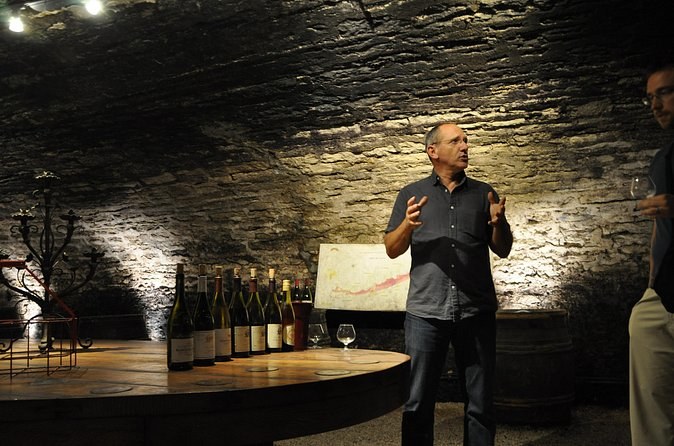
Full-Day Private Tour, 6 Premiers & Grands Crus, The Best of Burgundy
A private day from your hotel in Beaune or Dijon: three wineries, up to 20 Premier and Grand Cru wines, and a three-course lunch at a family estate, except on Sundays.
From $813 per person
Check Availability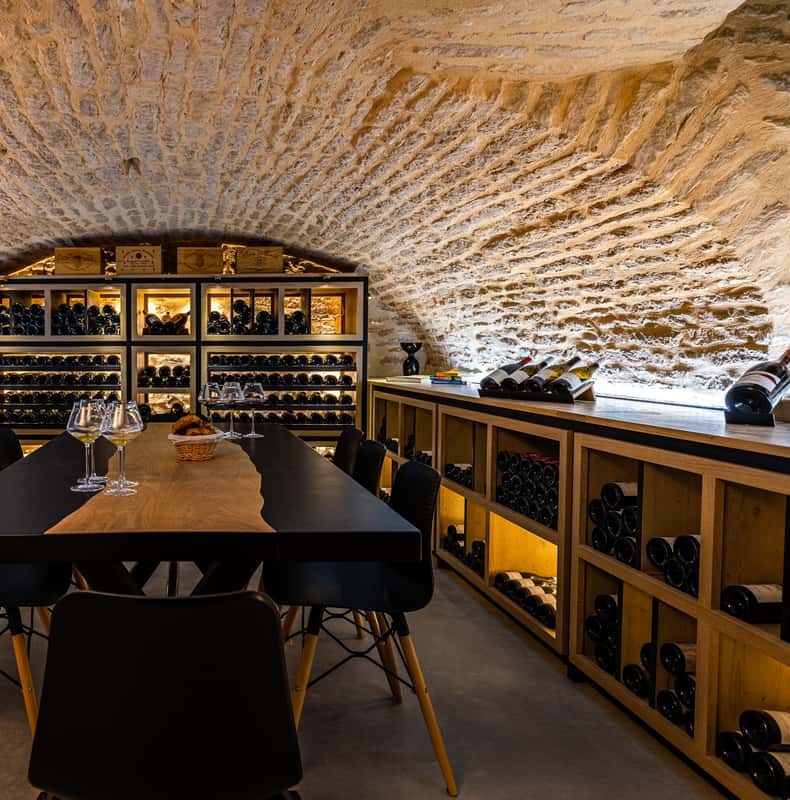
Dijon: La Cave du Palais Burgundy Wine Tasting Experience
Ninety minutes in a Dijon cellar under the Hôtel du Palais, with six wines from the regional appellations up to a Grand Cru. Over-18s only, and no car needed.
From $63 per person
Check Availability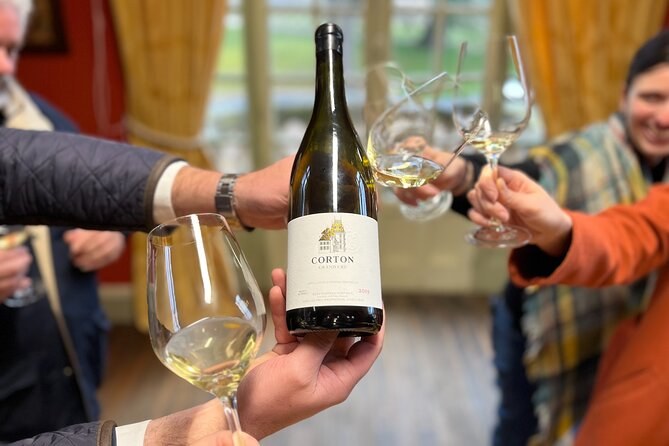
Burgundy Grand Crus Route Day Tour - 14 Wines Tastings in Domains
Fourteen wines from the Beaune tourist office at 9:30 am, Village and Premier Cru up to one Grand Cru, with the Route des Grands Crus between tastings. Lunch is extra.
From $333 per person
Check AvailabilityNext: Put the villages on the map with the Burgundy map. Every fare sits side by side on Burgundy Tours.